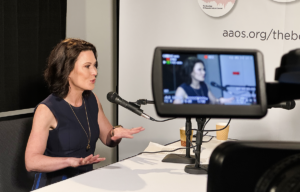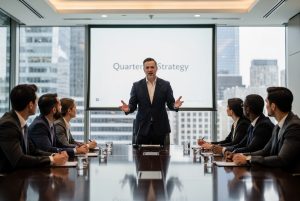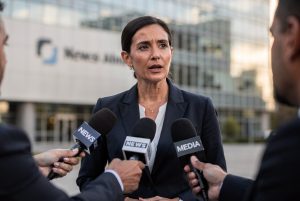

Before you say a word on CNBC, Bloomberg, or during a crisis interview, your audience has already started forming an opinion. Research from Princeton psychologists shows it takes just 100 milliseconds to form a first impression.
Your clothing, grooming, and your visual presence send signals fast. If you are preparing for a live TV appearance, knowing what to wear is a communication decision that affects real business outcomes.
This guide from Kathryn Janicek and Janicek Performance Group will help you choose what to wear, what to skip, and how to use your wardrobe to support your message and authority in high-stakes media moments.
Why Does Your Wardrobe Matter Before a Live TV Interview?
Audiences watch every detail, especially when a CEO is in the spotlight for a crisis, an IPO, or earnings news. The right clothing supports your message. If your outfit is distracting, viewers shift focus and that can affect outcomes.
Kathryn Janicek teaches that wardrobe is risk management. A mismatched look during an IPO media tour, a major investor appearance, or a crisis response interview makes the audience focus on your appearance instead of your words. This is a challenge you can control.
How Do Your Clothes Speak Before You Do?
Viewers make quick judgments on confidence and control. Janicek Performance Group coaches executives that your physical presence makes up most of your message.
A well-chosen, tailored outfit in a serious moment makes you look steady. Busy or overly casual clothing can give the opposite impression.
How Does Appearance Fit With Executive Presence?
Your wardrobe works best when it matches your message, body language, and voice. If your visual cues don’t line up, the audience follows what they see.
Kathryn Janicek’s media training covers all five pillars: Messaging, Vocal Delivery, Body Language, Mindset, and Appearance. This holistic approach matters whether you face a CNBC crisis interview or a live Bloomberg earnings call, but it’s important to remember appearance plays a part in your message delivery.
What Should Executives Wear for High-Stakes TV Interviews?
Kathryn Janicek recommends clothing that projects authority without distraction. Structured, well-tailored clothes in solid colors are key.
This is true for CEO crisis sessions, investor roadshows, and live financial TV appearances. Clothing to look for includes:
- Suits or blazers for men and women
- Fitted dresses and separates for women
- Crisp, clean dress shirts and simple blouses
- High-quality fabrics that hold their shape
Fit and fabric matter more than brand labels. Test each outfit before going on air. Another thing to remember is that for most interviews, you’ll be seated. Check the outfit while seated to truly know how it will look on-air.
Why Choose Structured Clothing For TV?
Structured clothing builds an immediate foundation of confidence. Kathryn Janicek always advises clients to prioritize well-tailored jackets and blazers for critical broadcast appearances. These structured pieces physically support good posture. A strong shoulder line naturally guides you to sit up straight and project authority to your audience.
The camera lens can exaggerate every detail of your outfit. Loose materials often drape poorly and add unnecessary bulk to your silhouette. Wrinkled fabrics will easily make you look unprepared during a high-stakes morning show segment.
When looking for structured clothing, look for:
- Blazeres that fit perfectly across your shoulders to naturally improve your seated posture.
- Heavy fabrics that resist wrinkling, especially for long press days.
- Well-lined jackets to maintain a crisp shape (these are especially important if you’re seated in a deep chair)
Why Are Solid Colors Better Than Busy Patterns?
Busy patterns like tiny stripes and checks can create visual distortion on camera. Kathryn Janicek tells clients to skip anything that draws unnecessary attention or creates a moiré effect.
- Wear solid navy, charcoal, forest green, burgundy, or deep blue
- Avoid bold prints, tiny stripes, or high-contrast patterns
- Skip any garment with a visible logo or branded graphic
How Do You Use Color to Match Your Message?
Color choices affect trust and approachability. Kathryn Janicek recommends these tactics for live interviews:
- Navy or dark blue projects authority and trust. This is ideal for financial news or legal statements (blue signals loyalty and integrity)
- Cream or soft blue works well when approachability is key
- Steer clear of pure white under studio lights because it glows and distracts
- Avoid neon or extremely bright colors, especially in healthcare or crisis interviews
- Check your outfit against the backdrop and brand palette for the session
How Should Executives Match Their Outfits to Specific Interview Scenarios?
Wardrobe is context-specific. Kathryn Janicek guides clients to tailor their appearance for the exact moment and audience.
What Should You Wear for a Crisis Response?
- Choose a dark, structured blazer and an understated shirt or blouse
- Keep colors muted and professional
- Avoid fashion-forward looks or any item that feels celebratory
Your visual message should say you are steady, accountable, and focused on solving the problem.
What’s Best for an IPO, Fundraising Round, or Investor-Facing Media Moment?
- Opt for modern, executive-level tailoring
- Use classic dark colors for confidence and maturity
- If you’re usually in startup casual, elevate for this moment
Institutions and analysts are looking for signs you are leadership-ready. Use your look to back that up.
What Works for a Thought Leadership or Product Launch Interview?
- Pair a refined blazer with a neat shirt or blouse
- Pick colors that align with the brand and the message
- Avoid sweaters or polos that look too casual.
- Even in tech or creative roles, leaders should signal gravitas when announcing news
How Should Healthcare, Legal, or Technical Experts Dress?
- Professional, understated suits or separates
- Minimal accessories
- Focused on projecting confidence, credibility, and human connection
What Clothing Should You Avoid on Camera?
Kathryn Janicek and Janicek Performance Group teach that appearance is part of your communication plan. Here is what to prevent ahead of a high-stakes media appearance:
- Busy prints, large logos, and branded graphics distract from your message
- Noisy jewelry (like dangling earrings or bracelets), and overly shiny watches
- Reflective eyeglasses without anti-glare lenses
- Shirts or jackets that pull, shift, or need frequent fixing
- Anything that wrinkles quickly or shows sweat
- Wearing ultra-casual outfits in financial, legal, or crisis contexts
- Outfits that don’t fit the brand or the seriousness of the setting
How Do You Choose Clothes for Your Camera Setup?
Your media environment changes your wardrobe choices. Kathryn Janicek recommends confirming all technical details with producers before choosing your look.
What Works Best for Studio Interviews?
- Structured clothing that resists wrinkling
- Avoid pure white, and use light blue or ivory for shirts instead
- Bring a backup blazer and shirt in different colors in case of spills or lighting surprises
- Test your outfit under bright lights if possible
How Should You Dress for Remote TV Interviews?
- Match your top half to the formality of the interview
- Never blend into your background or clash with office decor
- For live investor Q&A or a Zoom panel, keep your look sharp and structured from the waist up
- Test webcam framing and lighting in advance
What Works for Panel Interviews and Split Screens?
- Choose colors and tailoring that stand out while remaining professional
- Sit and test your look with other panelists if you can
- Make sure you look composed and credible next to anchors and experts
How Can You Make Grooming Camera-Ready?
High-definition broadcasts show every detail. Kathryn Janicek reminds clients that grooming is about reducing distractions so your message comes through.
- Use light powder to reduce shine on your face (men included)
- Keep hair neat and out of your face
- Choose matte makeup over shimmer or gloss
- Hire a TV makeup pro when possible, especially for CNBC or Bloomberg
- Monitor for flyaways, glare, or hair that needs fixing. It can make you touch your face, which signals nerves to viewers
How Do You Manage Glasses, Microphones, and Accessories?
- Request anti-reflective lenses if you wear glasses or wear contact lenses
- Lapel mics work best with structured lapels or collars
- Avoid necklaces, scarves, or low necklines that get in the way of microphones
- Work with the production team before your hit to check everything fits
What Should Executive Assistants Do Before a Big Interview?
Executive assistants play a massive role behind the scenes. Preparing your leader for a national television appearance or a rigorous earnings interview takes intensive coordination. Kathryn Janicek recommends focusing on a few critical details to set your executive up for total success.
To make sure the segment goes smoothly, make sure you:
- Confirm if the shot is seated or standing, and check the background for any potential distractions before the cameras roll.
- Ask the producer what type of microphone the crew will use. This solves technical problems early and helps you coordinate the right wardrobe choices so a lavalier clip sits perfectly.
- Request a brief technical run-through before a live satellite feed. This ensures the audio and video connections are crystal clear.
- Bring a backup facial powder or anti-shine product. Studio lights are incredibly bright and can easily cause unwanted glare on camera.
Managing these small details removes unnecessary stress. Your executive can then focus entirely on delivering a confident and powerful message to the audience.
Dress for Success
What you wear during a high-stakes national media interview dictates how the audience perceives your authority. Kathryn Janicek and the experts at Janicek Performance Group always remind clients that the right outfit prevents on-screen visual distractions.
You should select solid colors, prioritize a tailored fit, and avoid flashy accessories that pull focus from your core message. Comfortable clothing allows you to focus completely on delivering your talking points with absolute confidence.
Contact us today to communicate with confidence during your next TV interview.