
You walk into a board meeting. You have done the work. The strategy is sound. The numbers are solid. The deck is tight. Within the first 60 seconds, before you have finished your second slide, the room has already formed an opinion. People are reading your posture, your pace, your eye contact. They are deciding whether to trust you.
This is executive presence at work.
What Does Executive Presence Mean for Leaders?
Executive presence helps explain why two qualified leaders get different reactions in high-stakes meetings. It influences who earns trust, who secures investment, and who steers a leadership team through tough moments.
This guide explains what executive presence is, what it includes, and how Kathryn Janicek and the team at Janicek Performance Group recommend building it for major moments.
How Do You Define Executive Presence?
What is executive presence?
Executive presence is a professional’s ability to earn trust, hold attention, and inspire confidence when the stakes are high. Sylvia Ann Hewlett, an expert on workplace power and influence, simply calls it the “missing link between merit and success.”
Kathryn Janicek and Janicek Performance Group emphasize that executive presence is a specific set of skills you can learn. To build it, you must master three elements:
- Gravitas: This is how you act. It is your ability to project unwavering confidence, stay calm under pressure, and show decisive leadership during a tense board meeting or a crisis press briefing.
- Communication: This is how you speak. It involves aligning your words, your tone, and your physical delivery to command a room. Strong communication ensures your message lands perfectly during critical analyst calls and company-wide communications.
- Appearance: This is how you look. It means polishing your visual presentation so it fully matches your authority, your industry, and your role.
True executive presence means aligning your words, your delivery, your look, and your mindset. When these elements match, people believe you instantly. When they conflict, your audience senses a disconnect between your message and your delivery.
Credibility is either being built or lost in every one of those moments.
Why Is Executive Presence Critical in Senior Roles?
The higher you go, the more scrutiny you are under. Investors, employees, board members, journalists, regulators, and partners are forming opinions as you speak.
For example:
- A founder pitching a Series B round is selling trust in their leadership as much as a business plan.
- A CFO in an analyst call signals whether the story adds up with their delivery.
- A CHRO communicating restructuring is steadying or unsettling the team, depending on presence.
The Center for Talent Innovation found that presence accounts for a major part of promotion into senior roles. Kathryn Janicek has seen the impact multiply in the C-suite, where presence is about who people fund, follow, and believe.
In virtual rooms, Janicek Performance Group notes that opinions form in the first three seconds. Before you speak, your presence is being judged.
What Are the Core Elements of Executive Presence?
Janicek Performance Group trains across five pillars at once, which all contribute to executive presence. If you miss one, the others may unravel.
- Message Clarity: Know what you want your audience to walk away with in every big moment. Janicek recommends the Rule of 3. Bring three clear points. It helps your story land.
- Vocal Delivery: Control your pace, tone, and pauses. Your voice should show confidence. Filler words, rushed speech, or uncertainty in tone weaken trust. Janicek teaches leaders to make their best point and then pause.
- Body Language: Janicek Performance Group says at least 80% of your message is nonverbal. Hold steady posture. Make eye contact. Use open gestures. Avoid fidgeting or shrinking. Aim for neutral confidence. Stay balanced, grounded, and open.
- Mindset: Before a big board session, tough investor pitch, or hard-hitting media interview, manage your self-talk. Kathryn Janicek works on preparation routines to steady nerves and build presence from the inside out.
- Appearance: Present yourself to match the context. Janicek recommends no virtual backgrounds for key board meetings or investor calls. Use professional lighting. Dress for the environment. Your appearance should align with your leadership message.
What Executive Presence Is Not
Executive presence does not require being the loudest voice. Kathryn Janicek coaches technical founders, analytics leaders, and introverted physicians to build strong presence, their way.
You do not need to pretend to be someone else. Presence focuses on amplifying your natural strengths. Janicek Performance Group’s core message: Show up as your clearest, most intentional self when it matters most.
What Are Signs Your Executive Presence Could Improve?
- Your message gets misunderstood even after careful explanation in an investor or analyst meeting.
- Board members keep circling back with the same questions during approval sessions.
- Employees leave all-hands meetings unconvinced or worried after major announcements.
- Investors focus on risks over vision in your Series fundraising round.
- You hear feedback such as “needs more gravitas.” No one defines what that means.
- You overexplain technical details or lose clarity when facing tough Q&A.
Kathryn Janicek and Janicek Performance Group know these are coachable patterns. You can change them.
How Can You Build Executive Presence for High-Stakes Moments?
- Start with the outcome: Define the win. Are you securing board approval for an M&A move, closing a $50M Series B, or restoring staff trust after layoffs? The outcome shapes everything you say and how you say it.
- Pressure-test your key points: Kathryn Janicek recommends identifying the hardest questions you will face. Prepare concise, strong answers to the biggest board, investor, or media challenges in advance.
- Remove hedging language: Janicek Performance Group tracks words like “hopefully,” “maybe,” or “I think.” Replace them before a board meeting or investor Q&A. Clear language builds confidence.
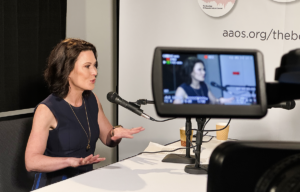
- Use video feedback: Record yourself practicing a board pitch, analyst call summary, or media briefing. Review for pacing, eye contact, and posture. Janicek notes that leaders accelerate progress with video self-review.
- Practice under pressure: Rehearse investor or board Q&A with real interruption and challenge. If you are preparing for a key media interview, have a colleague fire off tough follow-ups. Make rehearsal as close as possible to the real thing, just like Janicek Performance Group models in their sessions.
- Change one habit at a time: Kathryn Janicek recommends tackling your main presence challenge first. This could be speeding up, losing focus, using jargon, or shifting posture under pressure. One fix at a time is more effective than many at once.
How Does Executive Presence Look in Specific C-Suite Situations?
How Do Executives Win Board Approvals or Present at Board Meetings?
- Lead with your ask or recommendation upfront.
- Frame context simply and concisely.
- Stay calm during pushback or tough questions from directors.
- Keep answers focused. Avoid overexplaining.
- Project clear judgement and strategic thinking. Kathryn Janicek coaches executives to balance expertise with decisiveness.
How Should You Show Up During Investor Meetings or IPO Roadshows?
- Investors study both the deck and the leader.
- Tell a clear growth story.
- Demonstrate command of the numbers.
- Handle risk and challenge questions with steady delivery and clear answers.
- Janicek Performance Group helped a solar company use on-camera practice for their IPO. They surpassed funding expectations by building trust with presence.
What Works for Crisis Communications and Media Interviews?
- Stay composed and clear even when reporters push on difficult topics.
- Show empathy. Do not sound defensive or rehearsed.
- Stick to the message and reinforce your actions.
- Refer to recent high-profile company crises. Kathryn Janicek has supported leaders through fast-breaking news cycles by helping them stay in control.
How Should You Lead All-Hands Meetings or Large Employee Communications?
- Make your main point early.
- Align your words and body language. Employees notice everything.
- Balance confidence with caring delivery. This steadies teams during uncertainty.
- Use language that fits the moment. Janicek Performance Group guides CEOs on communicating strategy shifts after a tough quarter or big announcement.
Can Anyone Learn Executive Presence?
Absolutely. Kathryn Janicek and Janicek Performance Group teach that it is a set of behaviors every leader can hone. Even experienced executives have habits that limit their impact at the highest level, often without realizing it. With the right focus and feedback tied to real scenarios, presence can be rapidly improved.
What Should You Do Next to Build Executive Presence?
- Decide what high-stakes moment you want to prepare for. Is it an IPO pitch, board session, fundraise, or upcoming media story?
- Use tactical advice from Kathryn Janicek and Janicek Performance Group to build each presence pillar.
- Practice with real feedback, video review, and someone who will challenge your delivery the way your audience will.
Ready to strengthen your executive presence for the moments that matter? Contact us for actionable coaching and support tailored to your goals and high-stakes scenarios.