
Business as usual can turn into a full-blown media crisis in minutes. A single employee tweet, a viral video, or a leadership scandal will send your phones ringing and your inbox flooding. Your reputation is at stake. In 2026, crisis communication moves faster and matters more than ever. Janicek Performance Group brings you a practical playbook to prepare your team, control your narrative, and protect what you have built.
What Does Crisis Communication Management Involve in 2026?
The media environment is different now. Over 5 billion people are active on social media. One post can spark a global crisis in minutes. AI-generated misinformation and deepfakes make managing information even more difficult.
Edelman data indicates 70% of people have an insular trust mindset. Audiences are skeptical of institutions. They are slow to trust. Your credibility depends on how you communicate under pressure. People are looking for authenticity, speed, and accountability. If you lapse on any of these, the consequences can compound quickly.
Why Do You Need Crisis Communication Preparation?
Kathryn Janicek recommends taking action before a crisis hits. Many leaders know a plan is necessary. Not as many have one. Every organization is vulnerable. If you ignore potential crises, they won’t wait until you are ready. Damage is higher when there is no plan.
- Preparation helps you shorten the time between “crisis hits” and “organized response.”
- 98% of business leaders with a plan said it was effective.
- Do not try to create a plan in the middle of the situation.
What Are the Most Common and Overlooked Crisis Triggers?
Specific high-stakes scenarios that leaders tend to miss:
- Offensive social posts from employees
- Leadership misconduct
- Poorly-managed layoffs
- CEOs making negative headlines
- Product failures or recalls
- Vendor scandals that affect your brand
- Industry-wide controversies
Social media is a major risk area. Most viral mistakes can be prevented. Kathryn Janicek Performance Group suggests these tactics:
- Train every employee on your social media policy.
- Review and update your policies regularly.
What Are the Key Steps for Managing a Crisis?
When a crisis hits, a clear sequence keeps your message consistent and your team coordinated. Kathryn recommends these steps for high-stakes situations:
- Acknowledge the issue immediately.
- Take responsibility if your organization is involved.
- Overcorrect with transparent action and communication.
These steps help you stay credible and show accountability.
1. Build an Effective Crisis Team
Select your crisis team now, not during an incident. Name specific people, not just roles. Your team should cover:
- Media relations
- Legal risk management
- Internal communications
- Designated spokespersons for media and digital channels
Cross-functional teams get organized faster. Teams with defined roles and drill rehearsals respond more quickly and accurately in real crises.
2. Communicate with Internal and External Audiences
Internal and external audiences need different things. Employees must hear from you first. Data shows 78% trust their employer most during a crisis. Use this trust. Kathryn Janicek suggests:
- Issue direct, timely internal statements
- Share recorded videos from leadership when possible
For external audiences:
- Lead with empathy and clarity
- Acknowledge the situation without excessive legalese
- Share a timeline for updates
- Stick to those promised timelines
3. Control Your Narrative and Prepare for Ongoing Media
When a crisis hits, speed and transparency are critical. Kathryn Janicek warns that if you do not fill the information void, someone else will. Delayed responses look like avoidance to consumers. Silence can damage trust.
What Is the Best Way to Manage Social and Digital Channels?
Janicek Performance Group urges quick responses on social media, even if not all facts are in. Here’s how Kathryn Janicek handles real-time situations:
- Post a prompt acknowledgment
- Update frequently as details emerge
- Coordinate all social posts with official statements
- Limit comments to trained spokespeople
81% of consumers avoid brands that do not respond publicly after a problem. Staying silent is rarely neutral.
How to rehearse for a High-Stakes Crisis
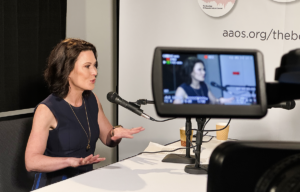
Reading a plan does not equal being ready. Janicek Performance Group uses real-world drills to prepare leaders before the cameras are on. Kathryn Janicek recommends:
- Practice out loud and on video
- Invite a colleague to play a tough journalist role
- Watch your recorded responses to fine-tune your delivery
- Focus on nonverbal cues under stress
Simulation exercises give you feedback you cannot get from written plans. Your composure during media scrutiny will define how your organization is remembered. Your reaction is your reputation.
When Should You Bring in an External Communication Coach?
Most organizations face at least one media scenario each year for which internal skills are not enough. The Janicek Performance Group can close that gap. Use professional support when:
- Your organization is in an active high-stakes incident
- Your team is stretched thin or lacks training for intense media attention
- You need rapid response coaching and hostile interview preparation
- Crisis analysis or proactive simulations are required
Media training programs from Janicek Performance Group go beyond traditional interview prep. You benefit from a Fractional Media Team: real journalists, coaches, actors, and communication specialists.
Are You Ready for the Next Crisis?
Crisis communication management is a skill you can build now. The organizations that thrive in 2026 worked in advance to identify risks, build crisis teams, train spokespersons, and rehearse under pressure. Preparation shapes how you are remembered when a crisis strikes. Want to put your plan in place? Contact us.