You’re in the boardroom. The acquisition is in front of you. Your numbers are strong. Your deck is prepared. The narrative is rehearsed. During your presentation, the board chair leans back with folded arms. Two other members exchange a glance. The room is silent. The vote does not go your way.
Your words were clear. Your body language was not.
Kathryn Janicek, CEO of Janicek Performance Group, teaches that body language impacts communication at the executive level. It isn’t just a soft skill. It’s a business risk. Your audience is watching every move. If your physical presence does not match your message, you risk your outcome.
This article explains how body language shapes trust and authority during IPO roadshows, crisis interviews, board presentations, investor meetings, and other high-stakes scenarios. You’ll see what matters most from Janicek’s experience coaching executives under pressure.
How Does Body Language Shape Communication Outcomes?
Body language shapes how your audience perceives confidence, credibility, and control. Janicek Performance Group coaches executives to make sure their presence backs up their words.
For example, if a CEO announces layoffs with a nervous smile, employees do not feel reassured. When a founder pitches a Series B with hunched shoulders and downcast eyes, investors see conviction is lacking. When a CFO presents earnings while fidgeting, analysts question steadiness. Kathryn Janicek points to data showing 93% of communication is non-verbal.
Body language is not a detail. It is the foundation of your executive presence in moments that matter.
What Does Your Body Communicate Before You Speak?
Before you say a word, your audience forms an opinion. Research from Princeton shows it takes about one-tenth of a second to form a first impression through facial cues.
Kathryn Janicek explains, in board meetings or on stage at conferences, the room judges you from the moment you walk in. Your posture, your pace, your eye contact, and how you enter set the tone. At town halls or during media interviews, employees and journalists pay attention before you speak.
What Happens When Words And Body Language Do Not Match?
Say you announce, “We are confident in the plan.” Your shoulders are slumped and your hands are tense. The room believes what they see, not just what they hear. Janicek Performance Group stresses this in board presentations, crisis interviews, media appearances, and IPO roadshows.
Mismatched body language creates doubt. That doubt can cost you trust, deals, votes, or confidence during critical business events.
What Key Signals Should Leaders Train Before High-Stakes Presentations?
According to Kathryn Janicek, body language is a system. Each part matters:
- Posture: Upright, relaxed shoulders and open chest project control. Avoid slouching or collapsed stance.
- Foot Position: Keep feet shoulder-width apart for steadiness and presence.
- Eye Contact: Steady eye contact shows conviction. Aim for 60-70% of the time, based on Harvard Law research.
- Facial Expression: Make sure your expression matches your message. Serious news needs gravity. Announcements of success should include genuine enthusiasm.
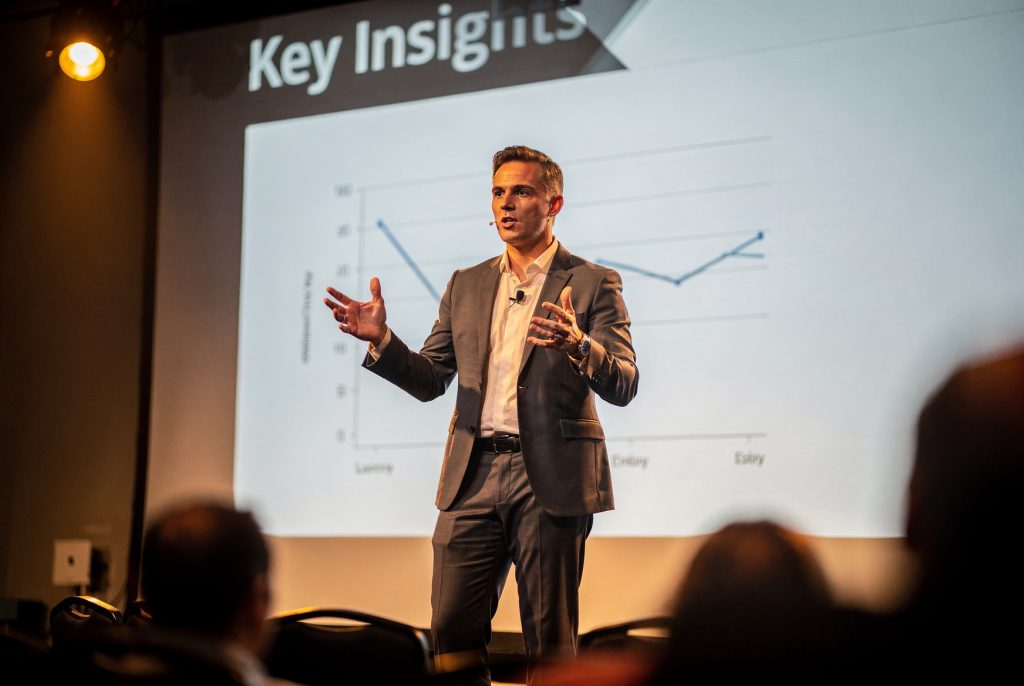
- Gestures: Keep gestures confident and purposeful. Holding your hands as if balancing a basketball suggests confidence. Use palms up for openness and palms down for authority.
- Stillness: Move with intention, not nervous energy. Pause and stay grounded when facing tough questions.
Janicek Performance Group teaches that these elements support trust when stakes are high.
Why Does Body Language Matter Most Under Pressure?
Pressure exposes habits. High-stakes moments put your body language under a microscope.
- Board Meetings: Members look for leadership qualities as well as business acumen. Stay open and keep eye contact during challenging moments.
- Investor Meetings And IPO Roadshows: Investors judge conviction and steadiness. Training for composed responses can improve results in these pivotal conversations.
- Crisis Interviews: Research shows 63% of audience perception is shaped by executive presence during a crisis. Open body language and direct eye contact reassure audiences more than your words alone.
- Internal Town Halls: Employees need honesty, confidence, and humanity. Match your face to the gravity of the moment to grow trust during major changes.
What Common Body Language Mistakes Derail Executive Presence?
Body language can enhance your communication just as much as it can detract from it. These body language mistakes compromise your message:
- Looking At Slides: Eyes should be on the decision-makers, not the presentation. Master the material before stepping up.
- Fidgeting During Tough Questions: Avoid visible signs of nervousness such as tapping, shifting, or looking down when challenged. Stay steady instead.
- Closed-Off Posture: Crossed arms or leaning away suggests insecurity or avoidance. These signals can make audiences distrustful.
- Overcorrecting: Avoid robotic gestures or overly dramatic expressions. Authentic presence is key, not putting on an act.
How Can Leaders Improve Body Language Before Board Presentations Or Media Appearances?
Just like other communication techniques, body language can be coached. To get the most out of coaching, make sure you:
- Define The Desired Outcome: Clarify what you want your audience to feel and decide. Train your presence around this goal.
- Record Yourself On Video: Watch without sound. Notice your hands, your stance, and your face. Video feedback shows blind spots.
- Rehearse High-Pressure Moments: Practice answering tough questions that make you most likely to lose composure. Stay physically grounded during your response.
- Get Precise Feedback: It’s hard to judge how your body language is perceived when you’re the one speaking. Work with a coach who gives informative and actionable feedback.
- Align Body, Voice, And Mindset: Janicek Performance Group teaches a method to align movement, message, vocal tone, and mindset to keep you credible under pressure.
Use Body Language to Enhance Your Commication
Body language is not about adding polish. Janicek Performance Group helps you remove signals that confuse your audience and develop habits that reinforce your message.
Your stance during a board vote, your tone during an earnings call, your presence in a crisis interview, and your expression in town halls all shape stakeholder decisions. Non-verbal communication impacts success or failure at every level. Kathryn Janicek and her team support you in every scenario that matters most.
If you have a board presentation, IPO roadshow, media appearance, or a company-wide announcement coming up, contact Janicek Performance Group today to prepare for your high-stakes moment.