
Imagine a hospital CEO getting ready for a board vote on a $400 million acquisition. The deal makes sense. The financials look solid. The board feels uncertain. The CFO feels tense. A journalist outside just heard a rumor. The way that CEO enters the room, answers tough questions, and explains the decision matters as much as the numbers.
That is leadership in healthcare. Decision-making is important. How you deliver those choices, especially under real public pressure, is crucial too.
People judge healthcare executives by outcomes and performance metrics. They also judge how clearly leaders explain safety incidents, how calmly they handle press after a data breach, and how they address a skeptical board about a restructuring plan.
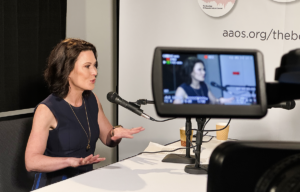
Kathryn Janicek shares her perspective on what healthcare leadership truly requires, why it is more complex than other fields, and what steps leaders can take to build high-stakes skills before the big moments arrive.
What Does Effective Leadership In Healthcare Require?
Healthcare leaders stand at the meeting place of patient care, business results, workforce trust, reputation, compliance, and stakeholder needs. These priorities show up together, often in a single meeting.
Consider some examples:
- A CMO introducing a new care model must reassure clinical staff, the board, payers, regulators, and the media.
- A biotech founder raising a Series B must turn trial results into a clear business story for investors while keeping scientific trust.
- A hospital CEO addressing a safety incident must speak both honestly and carefully, with empathy and decisiveness.
Kathryn Janicek from Janicek Performance Group regularly highlights that strong leaders are expert communicators. Technical knowledge gets you started, but communication shapes outcomes.
How Can Leaders Build Clinical Credibility And Communication?
Expertise leads many into senior healthcare roles. It is the platform that supports decisions. But as Janicek Performance Group states, top doctors may not make top public speakers right away. Each skill needs different training.
- Explaining a safety event internally calls for clarity and empathy over technical diagnosis.
- Defending a budget in a boardroom is not like reading financial spreadsheets.
- Sharing medical news with investors means helping them feel the impact, not just understand the data.
- All of these skills require translation and can be developed with the right focus.
How Do Top Healthcare Leaders Translate Complexity?
The best leaders turn expertise into messages their audience can use:
- Patients want clear answers.
- Employees want to know what is changing.
- Investors need to see opportunities.
- Regulators must trust your control of the facts.
Why Are Healthcare Leadership Moments So High-Stakes?
High-pressure situations happen in every industry, but they are constant in healthcare. Mistakes can hurt lives, trust, and public health. The emotional demands and scrutiny are higher. A poorly handled moment can harm a reputation for years.
- A crisis call after a patient incident
- A board presentation seeking approval for a hospital expansion
- An M&A announcement affecting thousands of jobs
- A congressional discussion on drug pricing
- Media interviews after a data breach
- Investor meetings where hesitation can cost millions
Each situation calls for a different approach. Kathryn Janicek and her team teach leaders to adapt communication for each high-stakes moment.
How Do Leaders Handle Multiple Audiences At Once?
A single statement means different things to different groups:
- Doctors may worry about autonomy.
- Nurses might face staffing questions.
- Investors look for growth signs.
- Regulators focus on compliance.
- Employees want job stability.
- The media seeks a headline.
Successful leaders map out these reactions first, then use a communication plan to stay consistent and responsive. Janicek Performance Group encourages this approach for every big announcement.
How Is Trust Built In High-Pressure Healthcare Moments?
Building trust is vital. Research shows patients with high trust in their teams are more likely to follow care plans. This trust comes from more than just clinical outcomes.
- Audiences watch your tone, pacing, posture, pause, and structure.
- Rushing through a press question or dodging eye contact reduces confidence.
- Clear structure and open body language build credibility fast.
Kathryn Janicek recommends practicing all these elements before every board or media appearance.
What Core Skills Do Successful Healthcare Executives Have?
The Washington State Hospital Association says executive presence is about credibility. Kathryn Janicek teaches that these are trainable behaviors, not fixed traits.
How Can You Show Clarity When Pressure Builds?
- Lead with your decision or headline right away.
- Share your reasoning simply, without too much background.
- State the next step clearly.
- Avoid language that sounds hesitant, such as “I think” or “maybe.”
- Do not hide your point under too many details. Board rooms and earnings calls require direct answers.
Kathryn Janicek and the Janicek Performance Group coach leaders to deliver confidence from the first sentence.
How Do You Balance Empathy And Authority?
- Speak honestly and directly when facing workforce burnout, patient safety concerns, or restructuring news.
- Keep your tone stable and avoid vague statements.
- Communicate with both clear facts and caring language.
- Refer to examples, like Brian Chesky’s layoff approach, which used honesty and directness.
Janicek Performance Group focuses on specific, honest empathy that earns trust across all situations.
Why Does Message Discipline Matter In Healthcare?
- Prepare your core statements before every board meeting, media interview, or investor update.
- Think about the hardest questions you will face and plan your answers.
- Stay on track, even if the discussion shifts into tough territory.
This method helps avoid risky unscripted moments that cause retraction or confusion later.
How Do Non-Verbal Cues Affect Leadership?
- Watch your posture, eye contact, and pace.
- Slow down and use pauses when needed.
- Keep your expression steady and confident.
- Align your delivery with what you are saying. Mixed signals confuse audiences.
Kathryn Janicek and her team use the JPG Method: Messaging, Vocal Delivery, Body Language, Mindset, and Appearance. All five work together so you leave a strong impression in every high-stakes situation.
What Are The Best Ways To Improve Your Healthcare Leadership?
Kathryn Janicek recommends preparing before the critical event, not during the crisis. Taking action before the media or board is in the room is the best risk management.
Which Communication Events Should Leaders Audit?
- List your most important communication events for the next year. Include board sessions, earnings updates, fundraising talks, regulatory hearings, media requests, internal meetings, and partnership news.
- Tailor your prep work for each moment so you speak directly to the audience and the stakes.
How Can You Simplify Messages For Busy Audiences?
- Eliminate jargon.
- Focus your message on one main idea to ensure your audience leaves with the right takeaway.
- Directly connect your points to audience concerns, not just data.
- Use a structure: one main message, three top supporting facts, and a clear call to action.
How Should Leaders Practice For Real Pressure?
- Practice out loud, not just in your head.
- Role-play with someone who can ask tough, realistic questions, like a skeptical board member or an aggressive journalist.
- Prepare for difficult employee questions too.
- Record yourself for feedback on pacing, filler words, and non-verbal cues.
- Your goal is calm command, not scripted lines.
How Can You Train The Full Communication System?
- Practice your message but also review your voice, body language, mindset, and appearance.
- Check that your tone and presence align with your message for full credibility.
- Kathryn Janicek’s team emphasizes that audiences remember what they see just as much as what they hear.
What Communication Breakdowns Happen To Healthcare Leaders?
Kathryn Janicek points out recurring breakdowns and recommends practical solutions:
Why Do Too Many Details Create Problems?
- Present your conclusion right away in board or investor settings.
- Add technical detail to support key points, not as the main focus.
- Keep the conversation strategic from the start.
How Can Leaders Avoid Sounding Defensive?
- Slow down in challenging interviews or meetings.
- Pause before responding. This signals authority.
- Keep explanations brief and stay composed.
Kathryn Janicek teaches the power of the pause to communicate control and calmness. As she notes in The Power of the Pause: using silence shows you know exactly what you are saying and doing.
What Happens When Leadership Teams Send Mixed Messages?
- Meet with leadership before major M&A, workforce, or public health communications.
- Align statements across the CEO, CMO, HR, legal, and communications leads.
- Janicek Performance Group stresses that message alignment is a leadership, not just a communication, responsibility.
What Should C-Suite Leaders Practice For High-Stakes Events?
How Do You Build A Message Structure For Important Events?
- Outline your main message for every investor, board, media, or earnings event.
- Prepare three supporting arguments.
- List the likely tough questions or objections.
- Decide in advance what action you want from your audience.
When Should You Rehearse Hard Questions?
- Begin your prep with the most difficult questions, like acquisitions, press leaks, or investor doubts.
- Practicing these first means you stay ready and do not get caught off guard.
Why Use Video Feedback Before The Big Moment?
- View recordings to spot habits or signals that erode credibility.
- Watch eye contact, pace, filler words, and energy during key statements.
- Feedback from video is faster and more effective than written tips.
Why Develop Spokespeople Before A Crisis Hits?
- Train all spokespeople—CEOs, CMOs, public affairs heads, experts—before they face high-pressure interviews.
- Follow advice from Kessler PR: practice aggressive scenarios so everyone is over-prepared.
How Does Executive Coaching Strengthen High-Stakes Leadership?
Kathryn Janicek explains that communication coaching finds the one habit limiting your impact. This type of coaching is what strong leaders do before board votes, media moments, and investor meetings. Coaching pays off with stronger results.
- Research shows high returns when organizations use executive coaching to drive results and retention.
- Consistent coaching brings stronger outcomes for leadership teams.
Why Isn’t Generic Training Enough?
- Kathryn Janicek stresses that tailored coaching fits the audience and the scenario. Preparing for a safety incident press conference is different from preparing a Series C pitch.
- AI-driven or off-the-shelf workshops miss the unique needs of tough board votes, IPOs, and crisis moments.
Find more leadership training advice at Janicek Performance Group.
How Does The JPG Method Support Healthcare Leaders?
- Janicek Performance Group works with hospitals, biotech firms, medical associations, and public-facing executives.
- The five-pillar JPG Method builds Messaging, Vocal Delivery, Body Language, Mindset, and Appearance with HD video-based feedback.
- This approach produces results in high-pressure meetings, funding presentations, and regulatory interviews.
- The team’s background in journalism, acting, publicity, and voice ensures leaders are ready for real-world pressure.
When Should You Bring In Outside Help?
- Bring in a partner before big media interviews, board votes, funding rounds, IPO launches, M&A announcements, safety incidents, public speeches, annual meetings, or keynote addresses.
- The best preparation happens before the room becomes high-stakes.
Get Guidance on Leadership in Healthcare
High-stakes healthcare moments include the board vote, the media conference, the key investor pitch, and the all-hands meeting during restructuring.
Kathryn Janicek teaches that the most successful leaders are the most prepared, with clear, actionable messages, strong executive presence, and focused practice for each unique moment.
If you want support to build these skills for your next high-stakes event, contact us.