Media interviews represent one of the most valuable opportunities in your communications arsenal. When your CEO or executive team appears in Bloomberg, CNBC, or industry publications, you’re reaching audiences that trust editorial coverage far more than advertising. But here’s what keeps communications leaders awake at night: even the most brilliant executives can stumble when facing cameras and microphones without proper preparation.
After twenty years producing television news and managing newsrooms—and now coaching Fortune 500 leaders after earning three Emmy awards—I’ve seen both sides of this equation. I know what journalists need to create compelling stories, and I understand exactly what executives need to deliver messages that resonate, protect reputation, and drive business outcomes.
The Partnership Approach: Working With the Media, Not Against Them
Let me be clear: most journalists want you to succeed. They’re professionals looking to tell compelling, accurate stories. A prepared, articulate interview subject makes their job easier and produces better content for everyone.
The challenge isn’t hostile media—it’s the gap between how executives typically communicate and what makes for effective media presence. Business leaders excel at nuanced strategy discussions, detailed technical explanations, and measured internal communications. Media interviews demand something different: clarity, conciseness, and the ability to make complex ideas accessible in seconds, not minutes.
That’s why preparation matters. Not to defend against attacks, but to partner effectively with journalists who are working under tight deadlines and need clear, quotable content.
What Communications Leaders Tell Me
Marketing and communications heads frequently share the same concern: “Our CEO is brilliant and charismatic, but I worry they’re not prepared for how different a media interview is from a board presentation or investor call.”
They’re right to be concerned. The executives I work with often tell me after training: “I had no idea how much preparation this required.” It’s not about intelligence or experience—it’s about understanding a different medium with different rules.
Three Pillars of Strategic Media Preparation
1. Master Your Core Messages
Before any significant interview, identify exactly three key messages. Not five, not ten—three.
These function as your strategic anchors. No matter what questions come your way, you’ll have clear, memorable points to communicate. Write them down, memorize them, and practice pivoting back to them from any angle. Think of them as the essential takeaways you want every reader, viewer, or listener to remember.
I once coached the founder of a children’s snack food line sold at major retailers. During initial practice sessions, he mentioned his company’s previous name, discussed earlier ventures, and buried the lead on what made his current product unique. The messaging was scattered.
We refined it to three clear points: the company name, the neurological benefits of the ingredients, and where consumers could purchase the product. By creating this focused framework, we built a direct path from interview to consumer action. The journalist got clear, quotable content. The audience got valuable information. The business achieved its objectives.
If you can’t instantly recall your three key messages under pressure, you need more preparation time.
2. Anticipate Difficult Questions (Because Journalists Will Ask Them)
Professional journalists do their homework. They’ll research your company, read analyst reports, check litigation databases, and review press coverage. This isn’t antagonistic—it’s thorough journalism.
Your preparation should match their professionalism. List every challenging question they might reasonably ask: restructuring plans, competitive threats, past controversies, regulatory issues, leadership changes.
Then develop honest, concise responses. Notice I said “honest”—credibility is everything in media relations. Your responses should acknowledge the question directly, provide appropriate context, and transition naturally to your strategic messages.
Here’s a critical rule from my producing days: never say “no comment.”
I remember covering a medical controversy in Detroit. A doctor accused of patient harm encountered our camera outside his office. His immediate response? Hand over the lens, repeated “no comment, no comment,” and a quick retreat.
That footage ran across every newscast. In the court of public opinion, his refusal to engage looked like an admission of guilt. The visual became the story.
“No comment” creates a void that audiences fill with assumptions—usually negative ones. Instead, prepare thoughtful responses that acknowledge questions while maintaining your strategic focus. Journalists respect executives who engage professionally, even on difficult topics.
3. Practice Under Realistic Conditions
Your executives are extraordinarily busy running complex organizations. Media training often gets deprioritized because the interview “is just a conversation” or “we’ll review talking points beforehand.”
This is where unprepared executives get into trouble.
Media interviews operate under different constraints than business conversations. Journalists work with tight timeframes, specific story angles, and audiences who may know nothing about your industry. Your executive needs to communicate complex ideas in clear, accessible language while remaining quotable and engaging.
Reviewing talking points in the car won’t cut it.
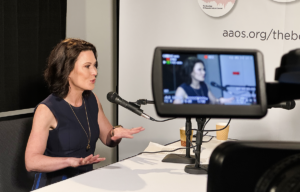
Effective preparation means rehearsing out loud and with your entire body using someone playing the journalist role. Record these practice sessions. Watch them back critically. Notice where your executive uses jargon, runs long on answers, or misses opportunities to reinforce key messages.
If they stumble during practice, they’ll face real problems during the actual interview when stakes are higher and there’s no second take.
The Strategic Advantage of Being Prepared
Mastering media interviews isn’t defensive—it’s offensive strategy. Prepared executives command attention, build credibility, and extend their influence far beyond what advertising or owned media can achieve.
The executives I work with often tell me after training: “I had no idea how dangerous that could have been.” No one wants to tell the CEO they’re not ready. That’s where proper preparation comes in.
When your CEO appears confidently on CNBC discussing industry trends, they’re not just representing your company—they’re positioning it as a thought leader. When your executive provides clear, insightful commentary to the Wall Street Journal, you’re building relationships with journalists who’ll call again for future stories.
These opportunities compound over time, but only when your executives consistently deliver value to journalists and their audiences.
A Partnership Built on Mutual Success
The best media relationships are built on mutual respect and understanding. Journalists need credible sources who can explain complex topics clearly. Companies need platforms to share their stories, demonstrate expertise, and build reputation.
Preparation is what makes this partnership work. It ensures your executives can meet journalists’ needs while achieving your communications objectives. It transforms potentially risky situations into strategic opportunities.
Your next media interview doesn’t have to be a source of anxiety. With proper preparation, it becomes a powerful platform to amplify your message, strengthen your brand, and position your leadership team as the experts your industry needs to hear from.
Ready to Transform Your Media Presence?
At Janicek Performance Group, we specialize in training leaders to accelerate growth, command attention, and drive innovation through impactful communication. If you’re ready to transform from expert to influential leader, refine your presence, project confidence, and take control of your message, reach out today to learn how we can help.
Drawing on twenty years of television news production and newsroom management, combined with extensive work coaching Fortune 500 executives, we bring the perspective journalists value and the strategic preparation communications leaders require. Let’s ensure your next media opportunity delivers the results your business deserves.